
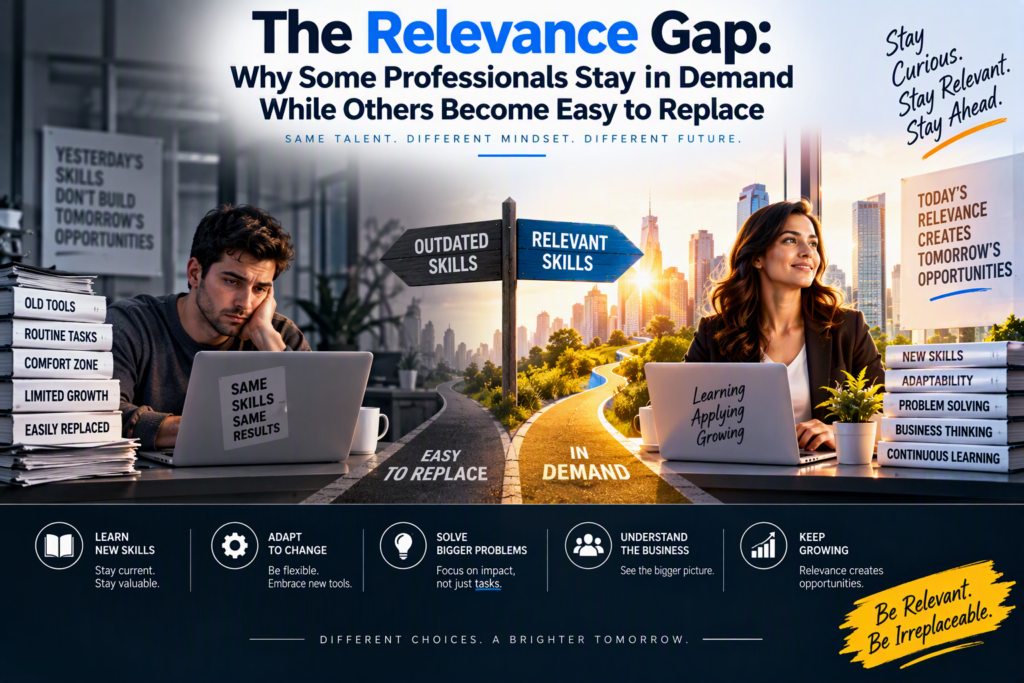
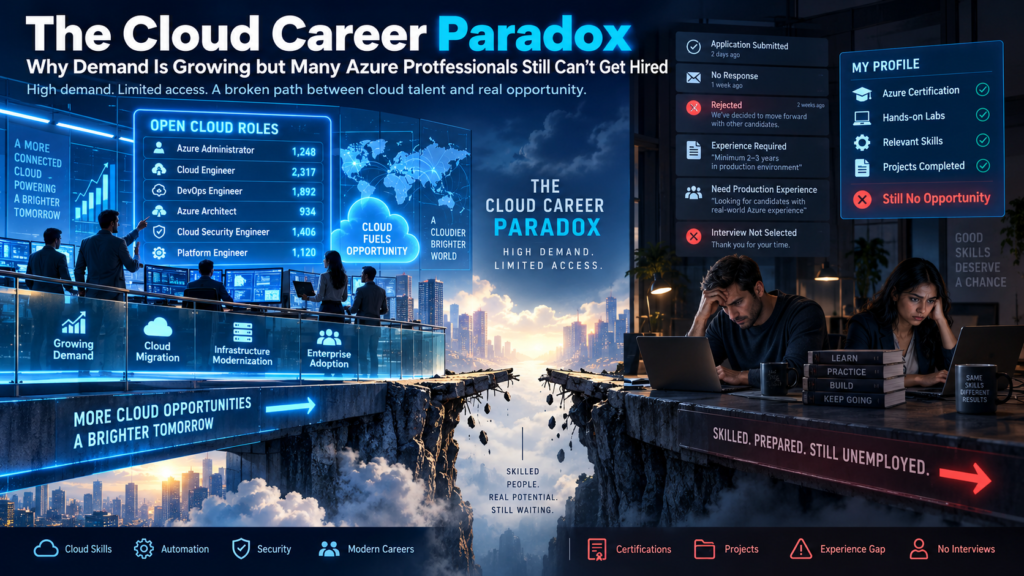
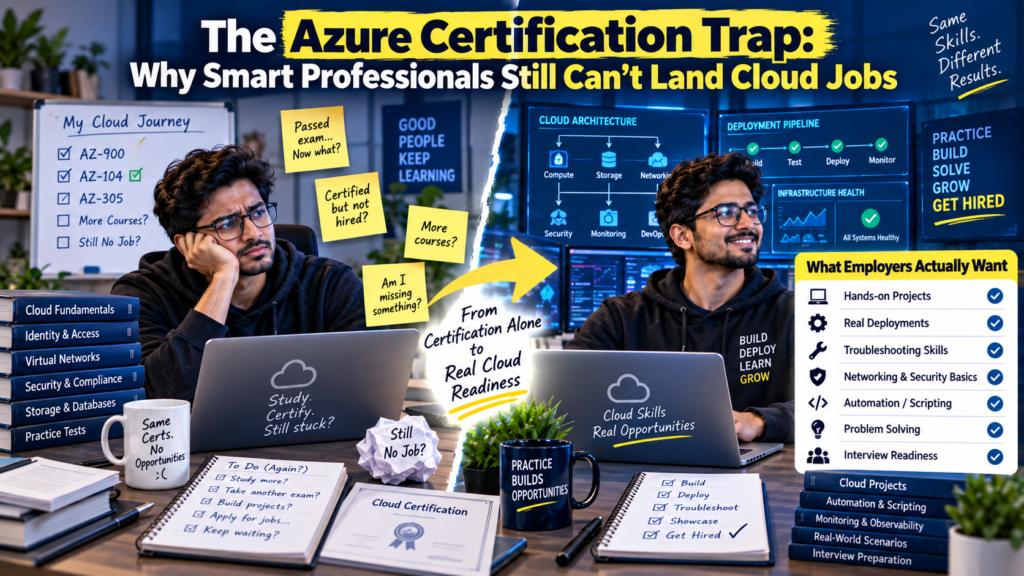
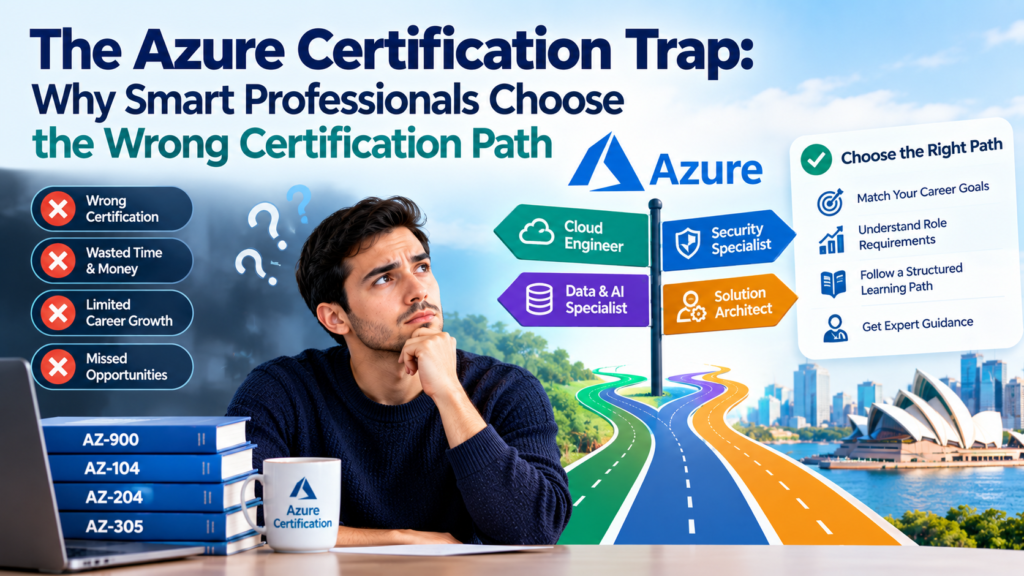
The relevance gap is the quiet, compounding distance between professionals whose skills keep pace with their industry and professionals whose skills slowly fall behind it without either group necessarily noticing right away. Two people can start their careers with identical qualifications and, a decade later, one is fielding recruiter messages weekly while the other is struggling to get past the first screening call. The difference usually isn’t talent. It’s how deliberately each of them managed the shelf life of their skills.
What the Relevance Gap Actually Is
The relevance gap is what happens when the pace of change in an industry outruns an individual’s pace of learning. It isn’t a single dramatic event nobody wakes up obsolete overnight. It’s a slow drift: the tools change, the platforms change, the expectations change, and a skill set that once felt current gradually stops matching what employers are actually hiring for.
Why Some Professionals Stay in Demand
They Treat Skills as Perishable, Not Permanent
Professionals who stay in demand assume their expertise has an expiry date and plan accordingly. That instinct is backed by research: IBM’s own analysis puts the half-life of technical skills at roughly 2.5 to 5 years, meaning a skill set left untouched for that long has already lost roughly half its original market value.
They Refresh Before They’re Forced To
The professionals who stay relevant tend to update their skills on a rolling basis rather than waiting for a layoff or a rejection to force the issue. Recent industry research backs this up starkly: 53% of organisations report that critical skills in their field become obsolete within three years or less, and 15% say the window is under a year which means waiting for a formal reskilling program is, for a growing share of roles, already too late.
They Specialise in What’s Actually Growing
Staying relevant isn’t about learning constantly for its own sake it’s about learning in the direction the market is actually moving. Cloud computing, for example, has become the default infrastructure for most enterprises, which means cloud-specific certifications carry outsized weight compared with general IT knowledge that hasn’t been refreshed.
Why Others Become Easy to Replace
- Standing on old credentials. Treating a certification or degree earned years ago as a permanent qualification rather than a starting point.
- Learning reactively. Only picking up a new skill after a job application is rejected for lacking it.
- Staying tool-specific. Specialising deeply in one platform or version without tracking where the broader market is heading.
- Assuming experience alone is enough. Years in a role don’t automatically transfer into current relevance if the underlying technology has moved on.
Why Cloud Skills Are the Fastest Way to Close the Relevance Gap
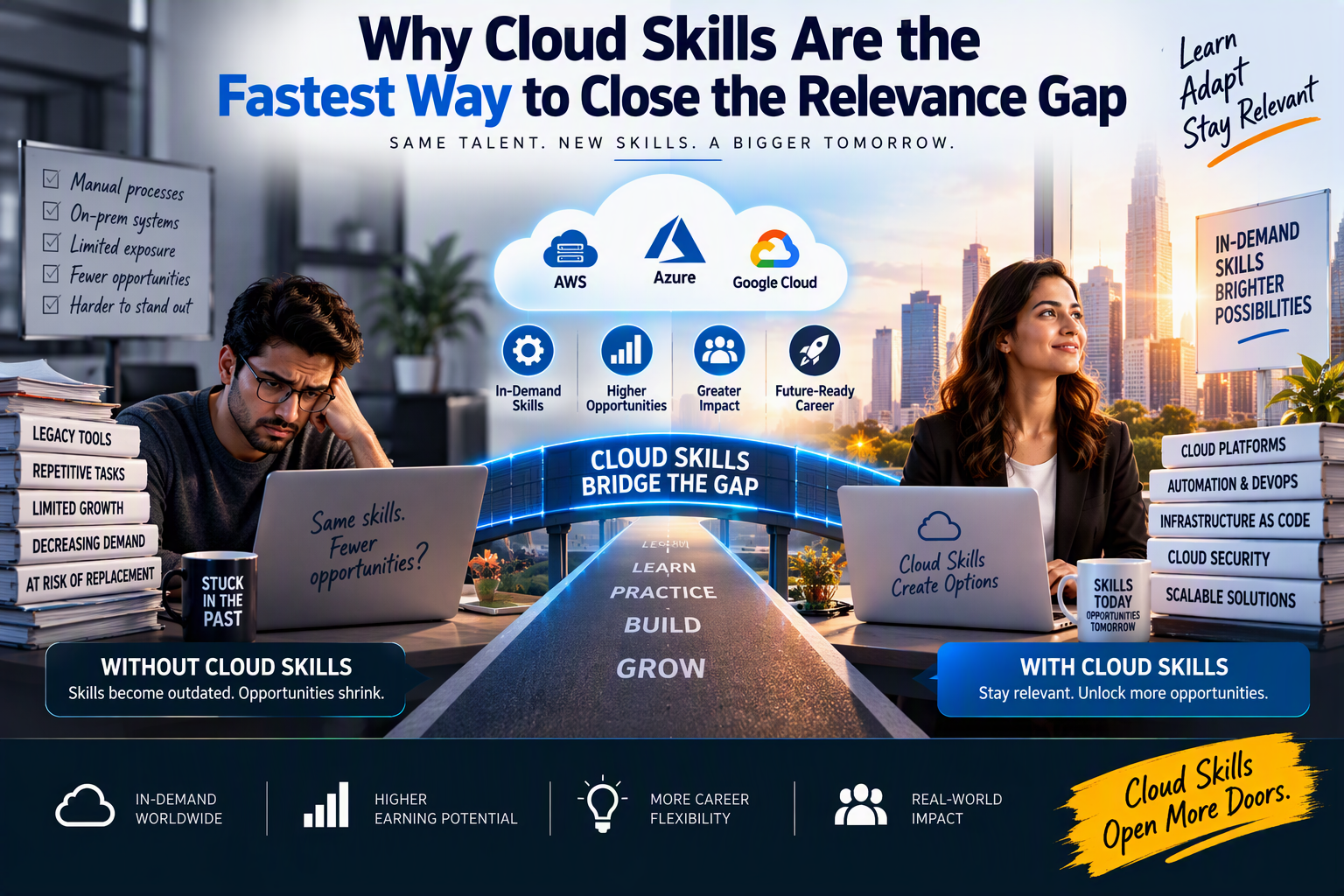
Cloud platforms sit at the centre of almost every modern IT environment, which makes cloud certification one of the highest-leverage ways to stay on the right side of the relevance gap. A recognised Microsoft Azure certification signals to employers that a professional’s skills reflect current infrastructure, not the infrastructure their company used five years ago. It’s why professionals in Sydney, Melbourne, Brisbane, and Perth continue to pursue Azure certifications throughout their careers, not just at the start of them refreshing credentials as Azure’s own services evolve, rather than relying on a single qualification to carry them for a decade.
How to Stay on the Right Side of the Relevance Gap
- Audit your skills annually. Compare your current toolkit against what’s being requested in job ads for the role you want, not the one you have.
- Treat certifications as renewable. Plan to refresh or add to a credential every few years rather than treating it as a one-time achievement.
- Follow platform roadmaps. Track where major platforms like Azure are investing, and build skills ahead of demand rather than behind it.
- Pair breadth with depth. Stay current on the fundamentals of your field while going deep on one in-demand specialisation.
- Get recognised, not just capable. A formal certification makes your relevance visible to employers who can’t otherwise verify it quickly.
Frequently Asked Questions
What is the relevance gap in a career?
It’s the widening distance between a professional’s current skill set and what their industry actually requires now, caused by skills decaying faster than most people update them.
How often should skills be refreshed to avoid becoming easy to replace?
Research suggests technical skills lose roughly half their value every few years, so a useful rule of thumb is to actively review and update core skills every one to three years rather than waiting for a job search to reveal the gap.
Why do cloud certifications specifically help close the relevance gap?
Because cloud platforms like Azure are now central to most enterprise IT environments, a current certification signals that a professional’s skills reflect today’s infrastructure rather than outdated systems.
Final Thoughts
Closing the relevance gap isn’t about chasing every new trend it’s about refreshing the skills that actually matter before the market forces the issue. A current Azure certification is one of the most practical ways to stay in demand, whether you’re based in Sydney, Melbourne, Brisbane, Perth, or anywhere else in Australia.